
The Silent Symphony: A Curated Guide to Cappadocia Hot Air Balloon Experience
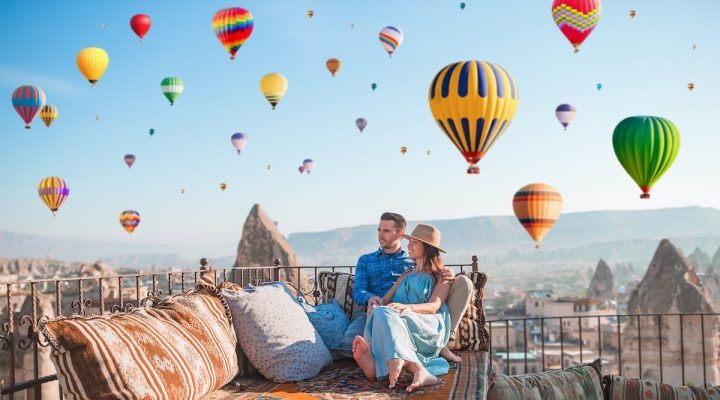
The image of hundreds of brightly colored balloons rising against the surreal backdrop of Cappadocia’s valleys at sunrise is not just a tourist cliché; it is a profound, shared, and genuinely spectacular moment that has earned this region its title as the Hot Air Balloon Capital of the World.
A flight here is not merely a ride; it is a peaceful, floating journey that offers an unparalleled, bird’s-eye view of history, geology, and human ingenuity.
Why Cappadocia is the World’s Best Ballooning Canvas
The fame of Cappadocia’s hot air balloon fleet is due to a unique convergence of factors unmatched globally:
The Lunar Landscape: The dramatic valleys, towering “fairy chimneys” (tufa cones), and the intricate network of cave dwellings—carved by ancient civilizations and shaped by millennia of wind and water—create a visual tapestry that is simply breathtaking from above.
The Fleet Size: Unlike most destinations, up to 100 to 150 balloons may ascend simultaneously during peak season. This creates a mesmerizing “silent symphony” as the entire sky fills with color against the gold and rose tones of the dawn.
Unique Flight Path: Highly experienced pilots utilize the region’s stable, early-morning air currents to perform a unique dance: climbing to altitudes that offer sweeping panoramic views of the entire region (including Mount Erciyes on a clear day), and then often descending low into the valleys to skim the tops of the fairy chimneys.
II. The Experience: A Dawn Ritual
Your adventure is a pre-dawn ritual that transforms a 60- to 90-minute flight into a lasting memory:
The Early Morning Call
You will be picked up from your accommodation well before sunrise—often between 4:00 AM and 5:00 AM. This early start ensures you are at the launch site to witness the incredible sight of dozens of balloons lying flat, roaring to life as the massive propane burners inflate them.
The Gentle Ascent
Once airborne, the experience is defined by tranquility. Unlike an airplane, there is no sense of motion or wind in the basket (as you are traveling with the wind). The only sounds are the occasional, deep roar of the burner and the collective hushed awe of your fellow passengers.
Post-Flight Tradition
Upon landing (which may be in a field, valley, or even atop a custom trailer), a traditional celebration awaits. This typically includes a non-alcoholic champagne toast and the presentation of a commemorative flight certificate—a fitting conclusion to a bucket-list achievement.
III. Essential Seasonal Insights & Flexible Planning
While flights operate year-round, the probability of flying and the general travel atmosphere vary significantly by season.
Season
Key Experience & Weather
Flexibility & Availability (Price Trend)
Peak Season (April to October)
Ideal Conditions. Stable, clear weather, especially in spring (April-May) and autumn (September-October). Spring offers wildflowers and lush greenery; Autumn offers golden valley colors.
High Demand. Cancellations are less frequent, but flights sell out far in advance. Prices are at their highest during this period, particularly in the most popular months (May, September, October).
Summer (June to August)
Very Hot. Clear skies and high flying probability, but daytime temperatures are very high. The light is less golden than autumn, but the clarity is excellent.
High Demand. Flights remain fully booked. Prices are high, similar to peak season. Book months ahead to secure a place.
Winter Season (November to March)
Magical, but Unpredictable. When the snow falls, the view of white-dusted fairy chimneys is absolutely surreal and unique. The air is crisp, offering incredible visibility.
Lower Demand. Flights are significantly more prone to cancellation due to high winds, fog, or heavy snow. If you fly, prices are generally lower than the rest of the year. Tip: Book for your first morning to allow buffer days for rescheduling.
The Golden Rule for Flying Success
Book for your first available morning. Flights are highly dependent on the Turkish Civil Aviation Authority’s (TCAA) safety approvals, which can be canceled at the last minute due to wind or weather. By booking for your first day, you give yourself 1-2 buffer days to reschedule if a cancellation occurs.
IV. Pro Tips from a Local Guide
Dress in Layers, Always: Regardless of the season, it is chilly before sunrise. The fire from the burners provides heat, but dress with a jacket, gloves, and a hat that you can easily take off once the sun is up and the burners are firing. Closed-toe, comfortable shoes are essential for getting in and out of the basket.
Know Your Basket Size: Tours come in different basket sizes. Standard flights might hold 20–28 people, while “Comfort” or “Deluxe” flights carry fewer people (12–16), offering more space and a slightly more exclusive view.
The Viewer’s Experience: Even if you don’t fly, waking up early to watch the balloons launch from a hotel rooftop or a viewpoint (like Lovers Hill or Red Valley) is a spectacular experience that costs nothing but sleep.
You May Also Ask
How long does the hot air balloon flight last?
The actual time in the air for a standard flight is typically 45 minutes to 1 hour (60 minutes). Some deluxe or comfort packages may offer a longer flight of 75 to 90 minutes. The entire experience, including hotel pickup, light breakfast, safety briefing, flight, and post-flight champagne toast, takes approximately 2.5 to 4 hours in total.
How high do the hot air balloons fly?
Balloons in Cappadocia typically reach altitudes up to 900 meters (3,000 feet) above the ground, often starting at tree-top level before ascending for a panoramic view. Pilots usually keep the altitude varied to provide the best views of the valleys and rock formations. The maximum permitted altitude is around 6,000 feet (1,800 meters), but they rarely go this high.
Are hot air balloon rides in Cappadocia safe?
Yes. Hot air ballooning is considered one of the safest forms of flying, and the industry in Cappadocia is strictly regulated by the Turkish Civil Aviation Authority (DGCA). All pilots are licensed and experienced, and flights are only permitted to take off when weather conditions (especially wind speed) are deemed safe by the DGCA. Serious accidents are extremely rare.
Why are hot air balloon flights often cancelled?
Flights are cancelled solely for safety reasons when weather conditions are unfavorable, most commonly due to strong winds (usually over 10–12 mph), rain, or poor visibility. The Turkish Civil Aviation Authority makes the final decision each morning, and companies must comply. It is recommended to book your flight for the first morning of your trip to allow for rescheduling in case of a cancellation.
When is the best time of year to fly in Cappadocia?
The best time to fly is generally during Spring (April to June) and Autumn (September to November), as the weather is mild and stable, which results in the fewest flight cancellations. While ballooning is a year-round activity, winters have a higher risk of weather-related cancellations.

